The agentic AI revolution — where LLMs don’t just answer questions but plan, act, and iterate autonomously — demands models that can run reliably on local infrastructure. Cloud APIs introduce latency, cost unpredictability, and data sovereignty concerns that make them unsuitable for production-grade agent loops. Local deployment gives you deterministic inference, full data control, and the ability to iterate on system prompts and tool integrations without waiting for a third-party response.
This guide evaluates the five best open-weight LLMs currently available for local deployment in agentic harnesses, covering hardware requirements, benchmark performance, tool-use capabilities, and real-world deployment trade-offs.
—
## 1. Llama 3.1 / 3.2 (Meta) — The Gold Standard
**Developer:** Meta AI
**License:** Llama 3.1 Community License (commercial use permitted with restrictions)
**Available sizes:** 8B, 70B, 405B parameters
**Context window:** Up to 128K tokens (3.2)
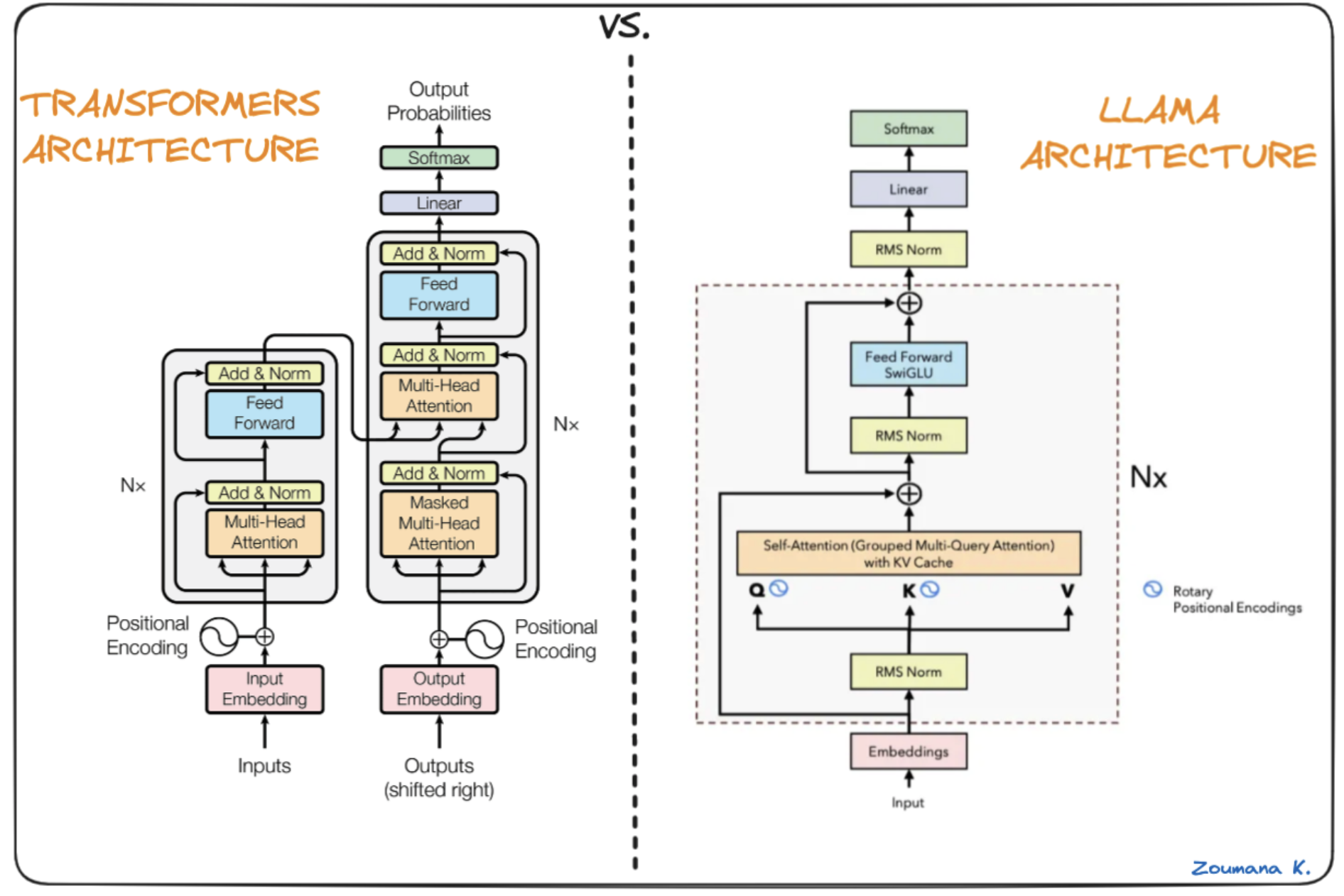
Llama 3.1 remains the most widely adopted open-weight model for agentic workloads. Its instruction-tuned variants excel at multi-step reasoning, function calling, and structured output generation — the three pillars of any agentic harness.
### Agentic Strengths
– **Function calling:** Native support for JSON-mode tool invocation, critical for agent loops
– **Reasoning depth:** The 70B and 405B variants handle complex multi-hop planning tasks that smaller models struggle with
– **Ecosystem maturity:** Best-in-class tooling across vLLM, Ollama, llama.cpp, and LM Studio
– **Quantization friendly:** Excellent INT4/INT8 quantization support via GGUF format
### Hardware Requirements
– **8B:** 8–16 GB VRAM (quantized) or 16–32 GB (FP16)
– **70B:** 48–96 GB VRAM (quantized) or 140+ GB (FP16)
– **405B:** 256+ GB VRAM (quantized) or 800+ GB (FP16)
### Real-world note
For agentic harnesses, the 8B variant is surprisingly capable when paired with a strong tool-use framework. Many production agents run Llama 3.1 8B on a single consumer GPU with excellent results, especially when the agent’s tool schema is well-designed.
**Sources:** Meta Llama 3.1 Announcement | Hugging Face Model Card
—
## 2. Mistral / Mixtral 8x22B (Mistral AI) — The Efficient MoE Choice
**Developer:** Mistral AI
**License:** Apache 2.0
**Available sizes:** 7B (dense), 8x7B, 8x22B (MoE)
**Context window:** Up to 128K tokens
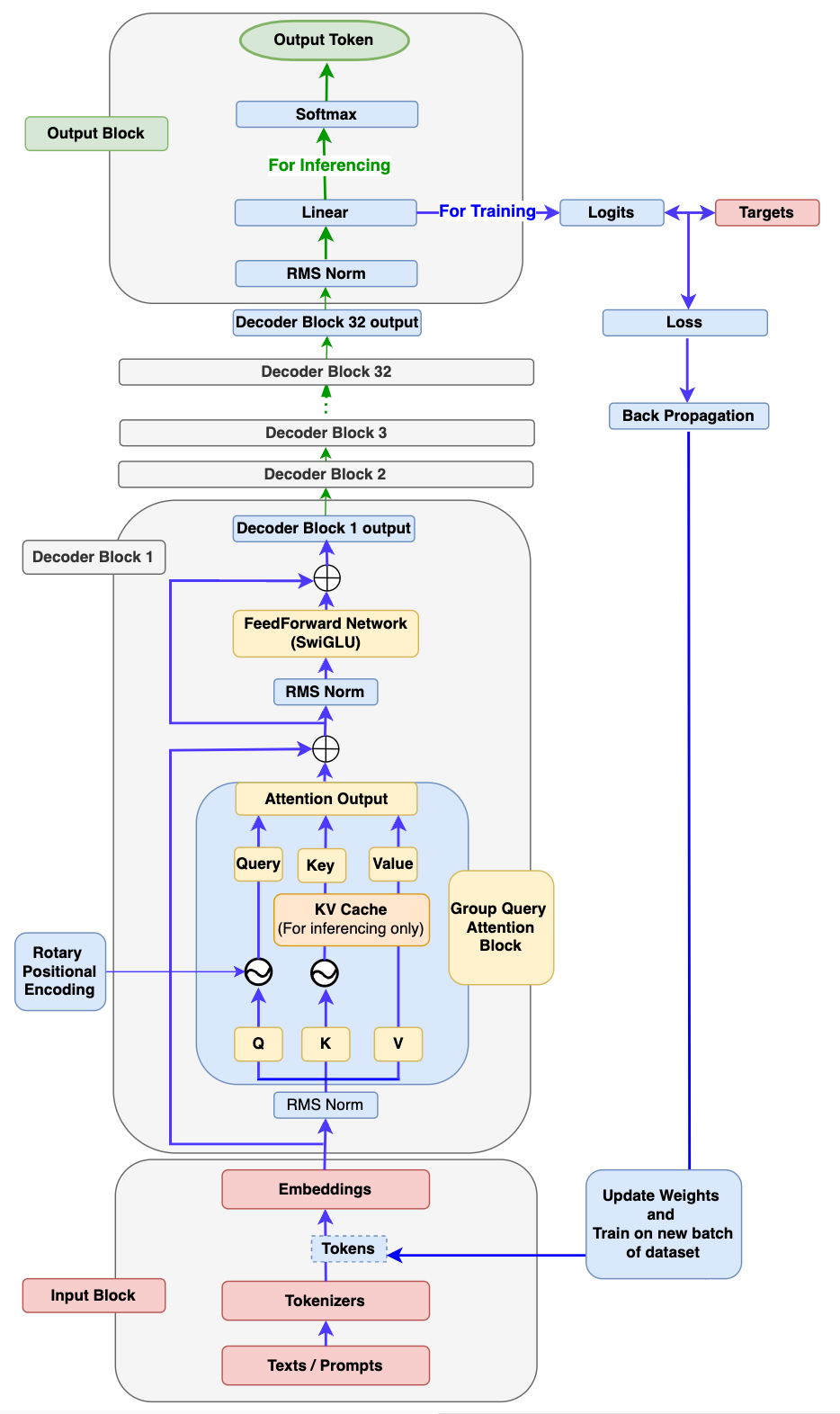
Mixtral’s Mixture-of-Experts architecture delivers near-70B-class performance at a fraction of the compute cost. For agentic harnesses, this means faster inference per step and lower latency in tight agent loops — a critical advantage when agents make dozens of tool calls per task.
### Agentic Strengths
– **MoE efficiency:** Only activates a subset of parameters per token, enabling faster inference
– **Strong coding:** Excellent at code generation and execution, essential for agents that manipulate codebases
– **Tool-use accuracy:** High precision in function calling with complex schemas
– **Apache 2.0 license:** Fully permissive for commercial deployment without attribution requirements
### Hardware Requirements
– **7B:** 8–16 GB VRAM (quantized)
– **8x22B:** 64–128 GB VRAM (quantized) — only ~38B active parameters per forward pass
### Real-world note
Mixtral 8x22B is particularly well-suited for agents that need to process large documents or codebases, as its MoE architecture handles long contexts efficiently. The Apache 2.0 license also makes it ideal for companies that need to deploy agents without legal overhead.
**Sources:** Mistral Mixtral 8x22B Blog | Hugging Face Model Card
—
## 3. Qwen 2.5 (Alibaba) — The Multilingual Powerhouse
**Developer:** Alibaba Cloud / Qwen Team
**License:** Apache 2.0
**Available sizes:** 0.5B through 72B parameters
**Context window:** Up to 128K tokens
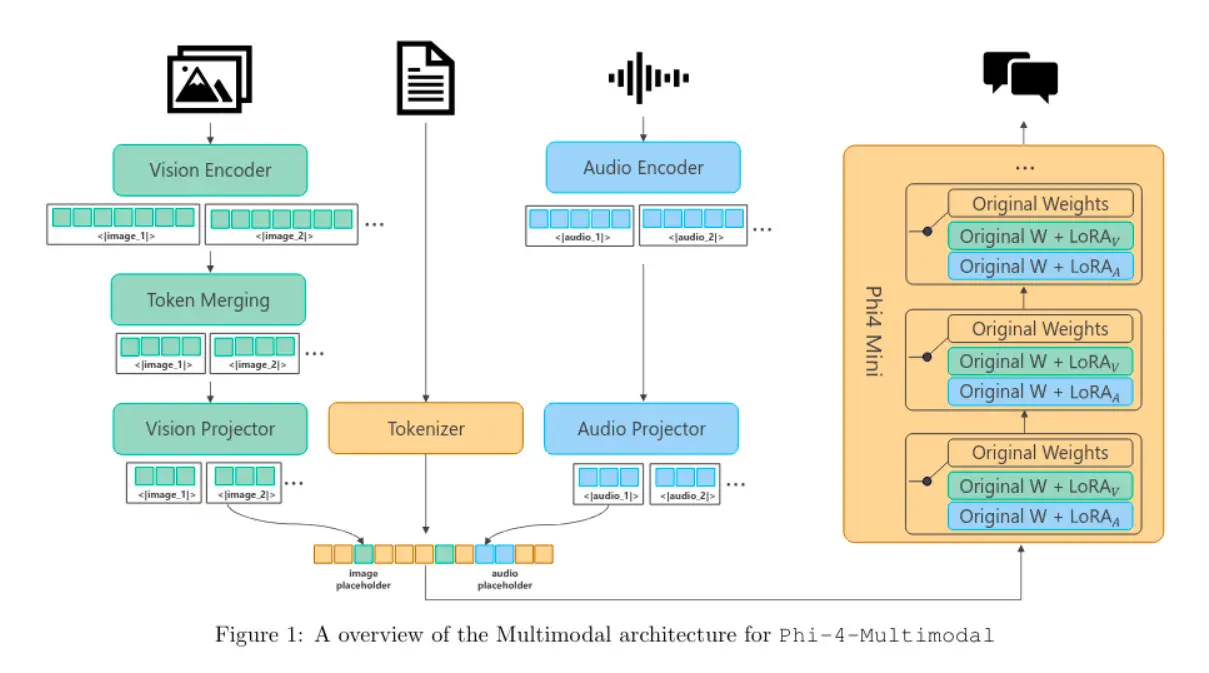
Qwen 2.5 has emerged as a serious competitor to Llama in the agentic space, particularly for multilingual and code-heavy workloads. Its strong performance on math, coding, and reasoning benchmarks makes it an excellent choice for agents that operate across languages or need to handle technical documentation.
### Agentic Strengths
– **Code-first design:** Trained with heavy emphasis on code generation and understanding
– **Multilingual:** Native support for 100+ languages, ideal for global deployments
– **Long-context tool use:** Excels at agents that need to reason over large codebases or documentation
– **Strong math:** Top-tier performance on GSM8K and MATH benchmarks
### Hardware Requirements
– **7B:** 8–16 GB VRAM (quantized)
– **32B:** 32–64 GB VRAM (quantized)
– **72B:** 128–256 GB VRAM (quantized)
### Real-world note
Qwen 2.5’s multilingual capabilities make it the go-to choice for agentic systems serving non-English markets. Its tool-use performance in function calling is on par with Llama 3.1 8B, making it a strong alternative for teams that need language flexibility.
**Sources:** Qwen 2.5 Blog Post | Hugging Face Model Card
—
## 4. Phi-4 (Microsoft) — The Small but Mighty Specialist
**Developer:** Microsoft Research
**License:** Microsoft Research License (non-commercial research)
**Available sizes:** 14B parameters
**Context window:** Up to 128K tokens
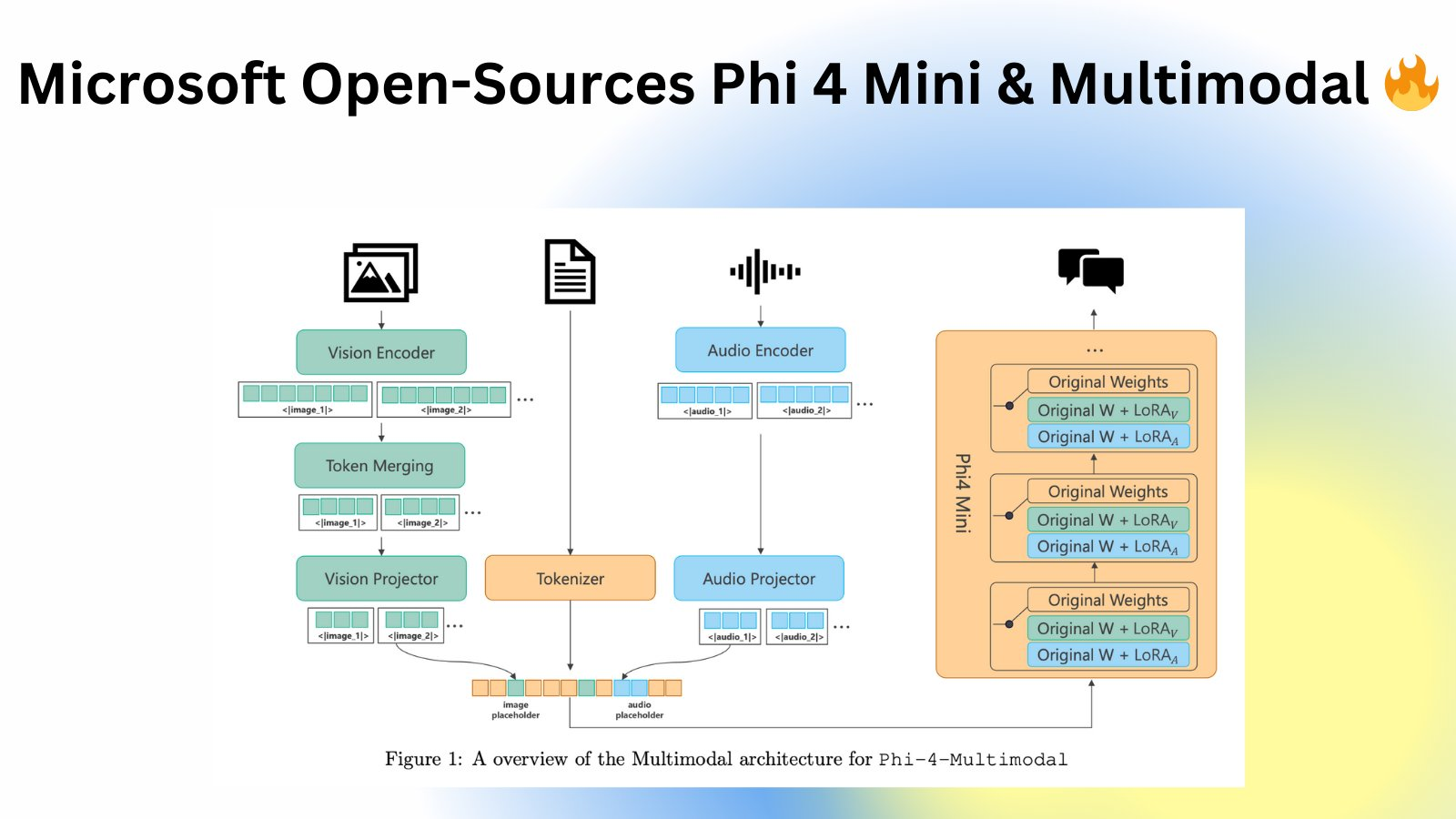
Phi-4 is Microsoft’s latest entry in the small-model arena, and it punches well above its weight class. At just 14B parameters, it delivers performance that rivals models 3–5x its size on many benchmarks. For agentic harnesses running on modest hardware, Phi-4 is a compelling choice.
### Agentic Strengths
– **Compact efficiency:** Delivers near-30B-class performance at 14B parameters
– **Strong reasoning:** Excellent at logical deduction and step-by-step problem solving
– **Low resource footprint:** Runs comfortably on a single consumer GPU (12–16 GB VRAM)
– **Fast inference:** Low latency makes it ideal for tight agent loops with frequent tool calls
### Hardware Requirements
– **14B:** 12–16 GB VRAM (quantized) or 24–32 GB (FP16)
### Real-world note
Phi-4 is the best choice for edge deployment and resource-constrained environments. Its small footprint means you can run multiple agent instances simultaneously on a single machine. However, its non-commercial license limits production use.
**Sources:** Microsoft Phi-4 Blog | Hugging Face Model Card
—
## 5. Gemma 3 (Google) — The Rising Contender
**Developer:** Google DeepMind
**License:** Gemma Community License (commercial use permitted)
**Available sizes:** 1B, 4B, 12B, 27B parameters
**Context window:** Up to 128K tokens
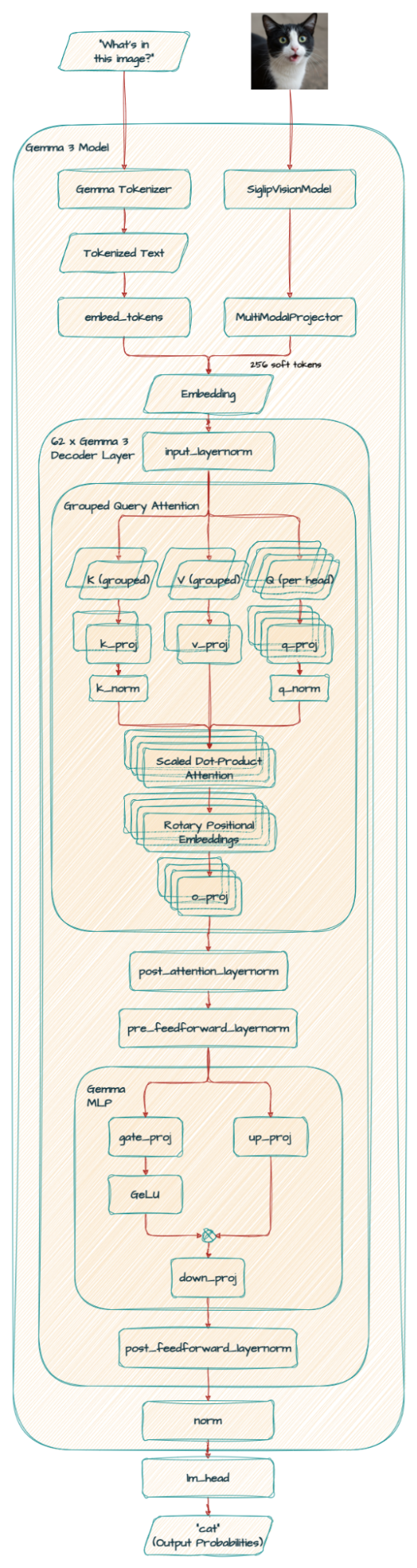
Gemma 3 is Google’s latest open-weight offering, designed specifically for on-device and local deployment. While smaller in parameter count, its training data and architecture optimizations give it surprising agentic capabilities, particularly in tool-use and structured output generation.
### Agentic Strengths
– **On-device optimization:** Designed from the ground up for efficient local inference
– **Structured output:** Strong at generating JSON and function-call formats needed for agent loops
– **Safety-aligned:** Google’s training approach produces more reliable tool-use behavior
– **Growing ecosystem:** Rapidly improving tooling and community support
### Hardware Requirements
– **1B:** 2–4 GB VRAM (quantized) — runs on CPU
– **4B:** 4–8 GB VRAM (quantized)
– **12B:** 12–24 GB VRAM (quantized)
– **27B:** 24–48 GB VRAM (quantized)
### Real-world note
Gemma 3’s small size makes it ideal for edge devices, laptops, and even smartphones. Its multimodal capabilities (text + image input) are a unique advantage for agents that need to process visual information.
**Sources:** Google DeepMind Gemma 3 | Hugging Face Model Card
—
## Comparison Table
| Model | Parameters | VRAM (Quantized) | License | Best For |
|——-|———–|——————|———|———-|
| Llama 3.1 8B | 8B | 8-16 GB | Llama 3.1 Community | General agentic tasks |
| Mixtral 8x22B | 39B active | 64-128 GB | Apache 2.0 | Coding & multilingual |
| Qwen 2.5 7B | 7B | 8-16 GB | Apache 2.0 | Multilingual & code |
| Phi-4 | 14B | 12-16 GB | Microsoft Research | Edge & resource-constrained |
| Gemma 3 12B | 12B | 12-24 GB | Gemma Community | On-device & multimodal |
—
## Deployment Recommendations by Hardware Tier
### Consumer GPU (8-16 GB VRAM)
– **Best choice:** Llama 3.1 8B or Qwen 2.5 7B (quantized)
– **Alternative:** Phi-4 (quantized) for maximum efficiency
### Workstation GPU (24-48 GB VRAM)
– **Best choice:** Mixtral 8x22B (quantized) or Qwen 2.5 32B
– **Alternative:** Gemma 3 12B or 27B
### Server/Cluster (64+ GB VRAM)
– **Best choice:** Llama 3.1 70B or Mixtral 8x22B (FP16)
– **Alternative:** Qwen 2.5 72B for maximum capability
—
## Conclusion
The local LLM landscape for agentic AI is more vibrant than ever. Whether you need the raw power of Llama 3.1, the efficiency of Mixtral’s MoE architecture, the multilingual prowess of Qwen 2.5, the compact efficiency of Phi-4, or the on-device optimization of Gemma 3, there’s a model that fits your use case.
For most agentic harnesses, we recommend starting with **Llama 3.1 8B** or **Qwen 2.5 7B** for their excellent balance of capability and resource efficiency. If you need maximum performance and have the hardware, **Mixtral 8x22B** or **Llama 3.1 70B** deliver state-of-the-art results.
The key takeaway: local deployment gives you control, predictability, and the ability to build truly autonomous AI systems that respect your data sovereignty requirements.
—
*This article was researched and written for FTS AI & Robotics. All source links are provided for further reading.*